Life Insurance Options for the Years Ahead in Brentwood, CA
Term life, whole life and final expense coverage each handle a different stretch of years. Spend about two minutes on our short form, telling us who the coverage is for and how long you want it to run, and see which kinds match that need. People in Antioch, Oakley and Brentwood all begin the same way.
- Free to use
- No obligation to buy
- No pressure to decide
- Plain words on each policy
Free, no obligation
See your coverage options
Six short questions. About two minutes.
Three Kinds of Policy, Three Different Jobs
Term life runs for a set number of years, often matched to a mortgage or the years children are at home. Whole life is meant to last as long as you do, and part of it grows into cash value over time; the agent who contacts you can explain how that piece works. Final expense is a smaller whole life policy sized for funeral costs. Universal life is lifelong too, but the amount and payments can be adjusted along the way.
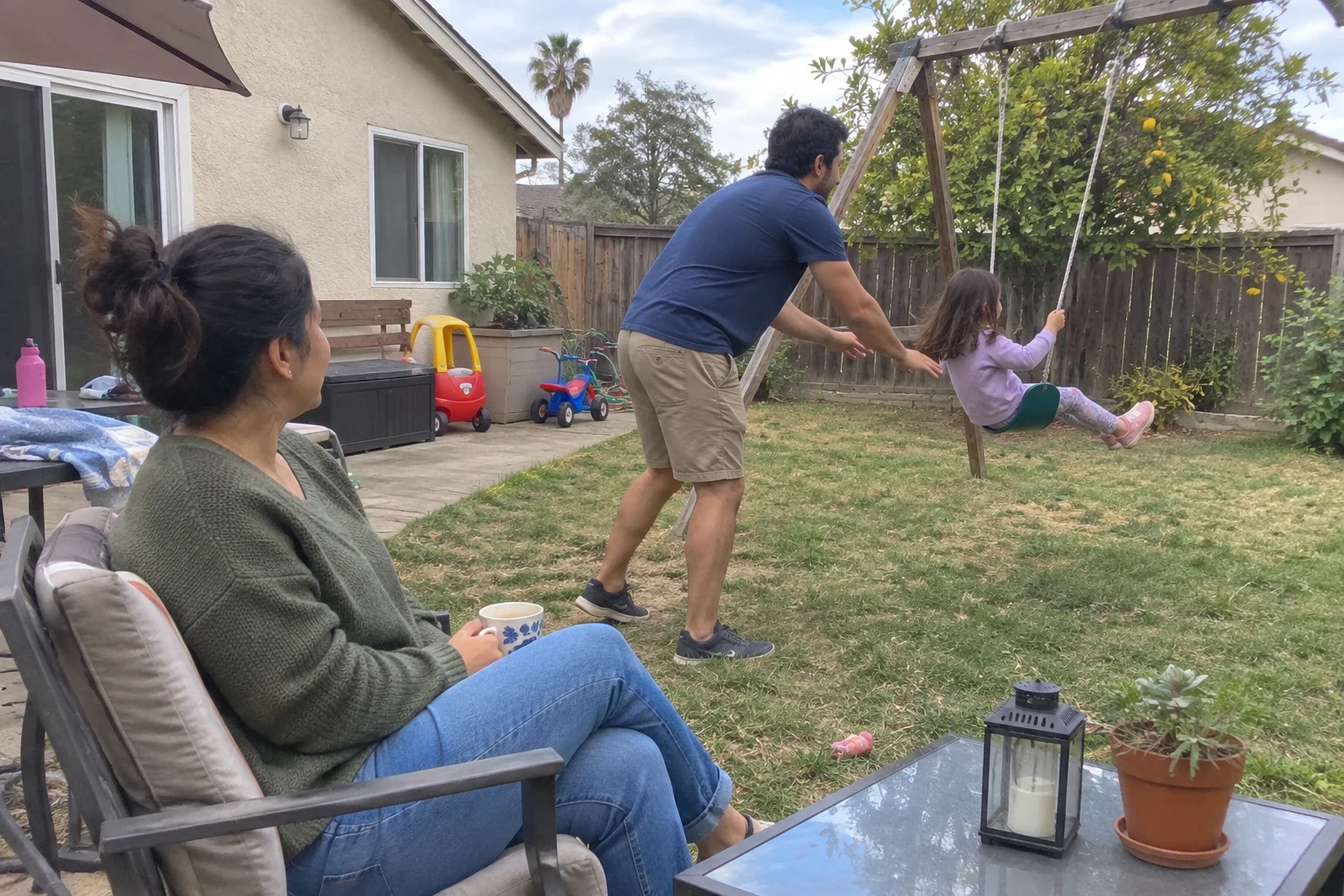
Term Life Insurance
Term life covers a set number of years, often lined up with a mortgage or the years your family relies on your income.

Whole Life Insurance
Whole life is cover meant to last as long as you keep it up, with cash value built in. Learn how it works and what to ask before you choose.
Final Expense Insurance
A small whole life policy set aside for a funeral and the last bills, so your family isn't left covering them.
How We Work
Our part is small and easy to follow. You share a few details, and from there you talk with someone who can lay out real options.
- 01
One short form, nothing else
You will not download anything or set up an account. You answer a few questions about who the coverage is for and the amount you have in mind. That is all we ask of you.
- 02
You set the pace
Sending the form decides nothing. Read the policy pages first if you want. Ask questions, write things down and take your time with what you hear.
- 03
Built around how long the need lasts
People often keep a policy for decades. So we start with the question most people weigh first: how long does the need run? A mortgage ends on a known date. Funeral costs come whenever they come. Looking at coverage that way helps it keep doing its job for as long as it is needed.
- 04
Plain words, no rankings
We don't put insurers in any order, and we don't steer you toward one kind of policy. We describe what each kind is for in everyday language. The decision belongs to you and the agent.
Where We Connect People With Coverage
We serve Brentwood and the towns around it: Antioch, Oakley, Discovery Bay, Pittsburg, Clayton, Blackhawk, Camino Tassajara, Concord, San Ramon and Livermore. Every visitor fills in the same short form. What happens after you send it works the same way too, no matter which town you call home.
- Brentwood
- Antioch
- Oakley
- Discovery Bay
- Pittsburg
- Clayton
- Blackhawk
- Camino Tassajara
- Concord
- San Ramon
- Livermore
A town missing from this list is no barrier. The form opens by asking your state, so you can send it from anywhere in California.
What Moves the Price of a Policy
A policy's price comes from a short list of things about you and the coverage you choose. There is nothing hidden in that list. Knowing it makes the options you hear about later easier to follow.
You will not see prices here, because the insurance company sets each one after reviewing your application. The agent who contacts you can walk through the numbers that apply to you.
- Your age
- Price is usually based on how old you are when the policy begins. Younger applicants tend to pay less for the same amount, so the same coverage started later usually costs more.
- Your health
- The application asks about your health and medical history. Some conditions raise the price or change what is offered. Some policies add a medical exam as well.
- Tobacco use
- If you smoke or use other tobacco, you will usually pay more for the same coverage than someone who does not.
- The amount of coverage
- More coverage costs more. People often match the amount to what it has to pay for, such as lost income, a mortgage or funeral costs.
- The length of the term
- With term life, a longer term covers more years and usually carries a higher yearly price than a shorter one.
- The kind of policy
- Whole life stays in place for life and carries cash value, which is why it generally costs more than term at the same amount. Policies that skip the medical exam usually cost more or cover less.
How Applying Usually Goes
This is the usual path from a few answers to a policy you can read. Some steps do not apply to every policy.
- 1
Answer a few questions
Use our short form to share your state, the coverage amount you are picturing, your birth date and the person you would name as beneficiary. Plan on about two minutes.
- 2
An agent gets in touch
Someone licensed to sell life insurance in your area contacts you to go over options. Ask whatever is on your mind. Nobody expects a decision from you.
- 3
Health questions, sometimes an exam
If you decide to apply, the application covers your health, habits and history. Some policies also call for a short medical exam. Others leave the exam out, and those usually cost more or cover less.
- 4
The insurer makes the call
The insurance company decides on every application, both whether to approve it and what it will cost.
- 5
Read your policy
Once a policy is approved, you get it to read. Check the beneficiary names and the amount before you put it away somewhere safe.

About Life Insurance Brentwood
Life Insurance Brentwood is free for you to use. It does one thing: it links you with a licensed life insurance agent in California. We are neither an insurance company nor an agent. Selling, pricing and recommending policies is not something we do.
Our part is to explain the basics in everyday words and get your answers to the right person. From there, the agent leads the conversation and walks you through the options. The About page says more about who that person is and what happens to your details.
Common Questions About Life Insurance
What is life insurance, in plain terms?
It is a contract with an insurance company. You pay premiums, and if you die while the policy is in force, the company pays a set amount to the people you name. Those people are called beneficiaries.
Why do people buy it?
The usual reasons are replacing income, paying off a mortgage and covering what children will need. Some people want funeral costs taken care of, or want to leave money to family. Many have more than one reason, and that tends to shape both the amount and the kind of policy they look at.
How much coverage do people usually look at?
One rule of thumb people use is to add several years of income to their debts. It is only a rule of thumb, not advice for you. As an example only, using 2023 Census figures: the median household income in Brentwood is $139,567, so a household at that level would multiply it by several years and add what is left on its mortgage. About 82% of homes here are lived in by their owner, and the median home value is $791,600, though the balance still owed on a home is usually different from what it is worth.
Do I need a medical exam?
Not always. Most applications include health questions, and some policies also ask for a short exam. There are policies with no exam, and they usually cost more or cover less. The agent can explain which kinds ask for what.
How do people choose between term and whole life?
You make that choice, with the agent's help. People often lean toward term when the need has an end date, like a mortgage or the years children are at home. Whole life draws people who want lifelong coverage with cash value included. Many compare the price against how long they want the coverage to keep going.
Is the payout taxed?
Under federal law, a payout to a named beneficiary is generally not taxed as income. Each situation is different, so check with a tax adviser about your own case.
What if I change my mind after buying a policy?
New policies come with a free-look period that lasts 10 days or longer. Cancel inside that window and the money you paid comes back to you. The exact number of days is written in the policy itself, so look for it once the paperwork arrives.
Coverage That Keeps Working for Years Starts Here
Tell us who you want to protect and how long you would like the coverage to last. The choice stays yours from start to finish.